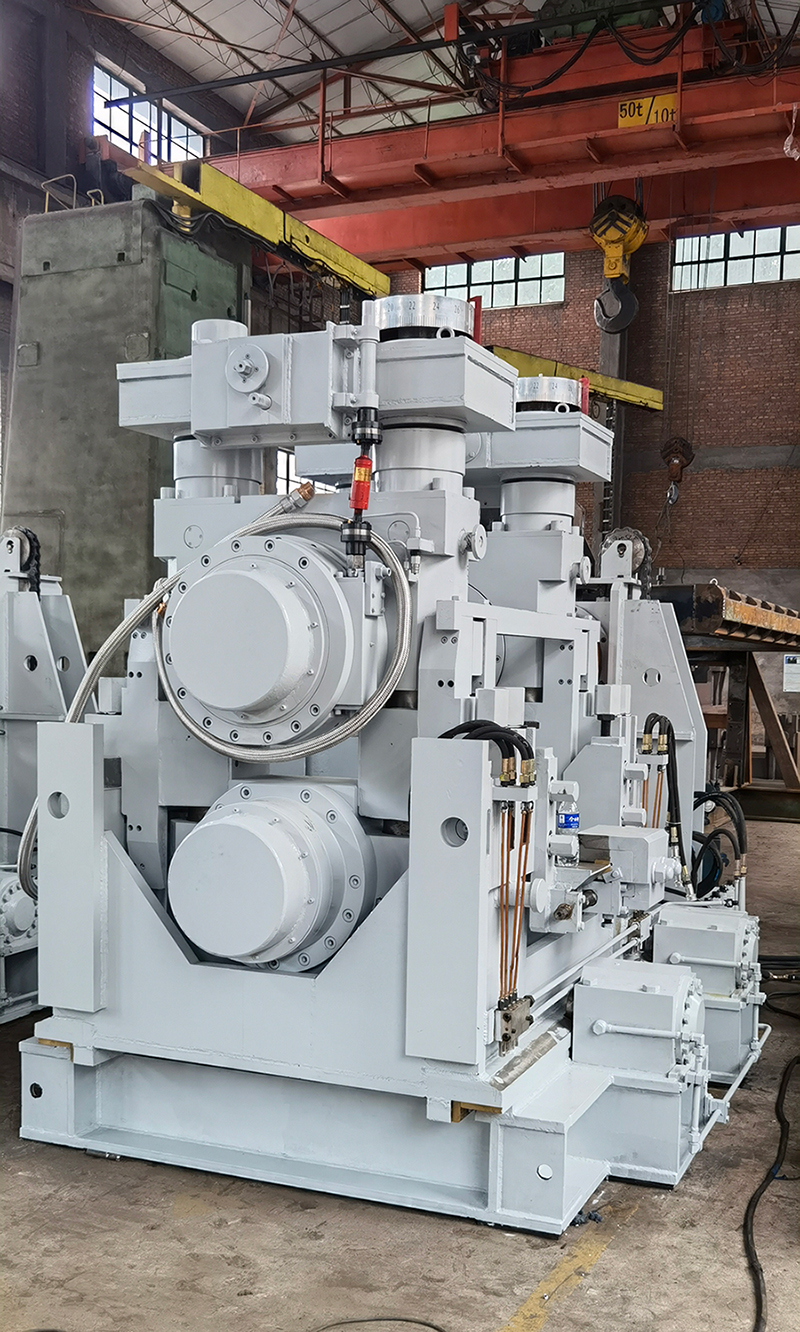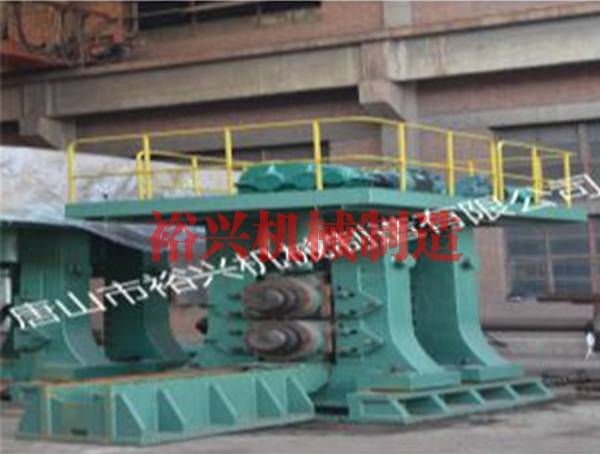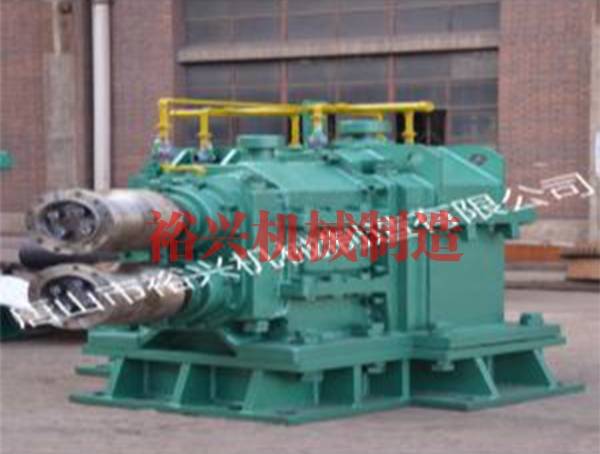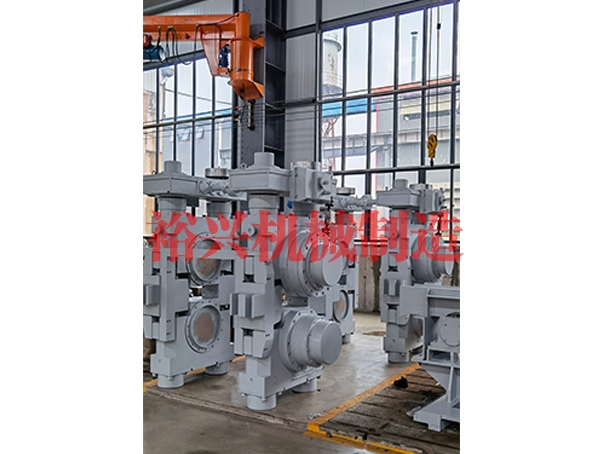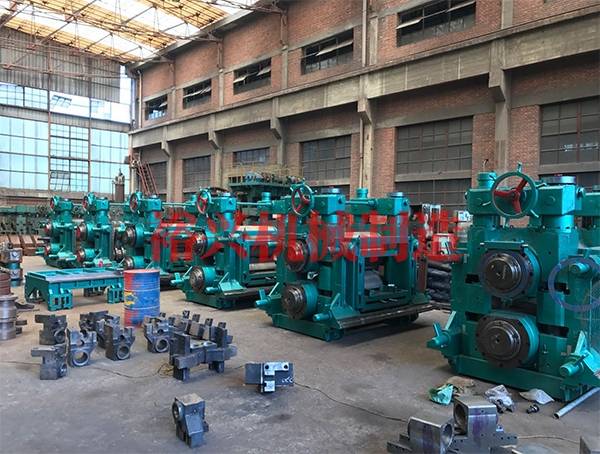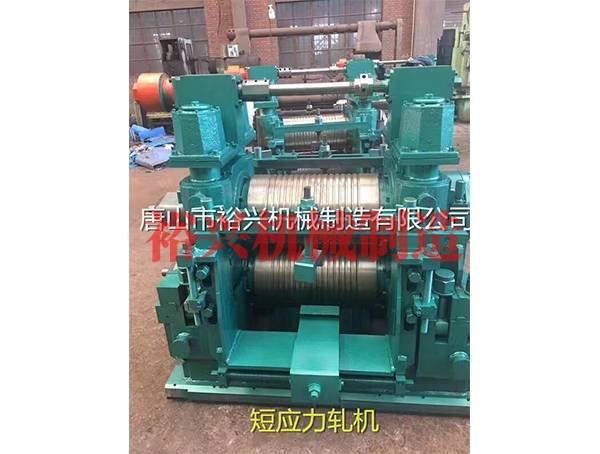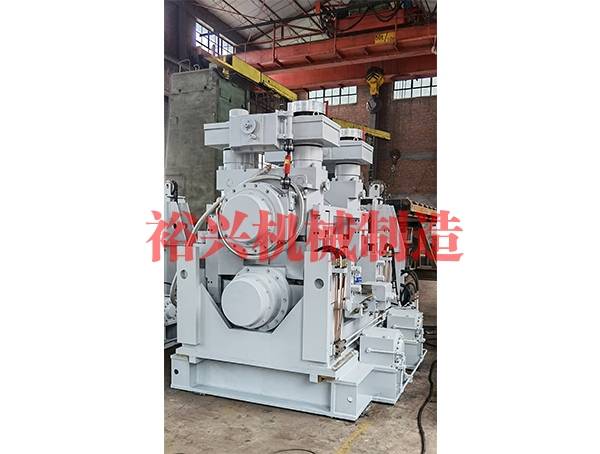
短应力轧钢机机架的运用年限与多种要素有关,一般包含轧制力、轧制节奏、轧钢机拉杆的尺寸原料、轧钢机的保护作用等、车间的作业率、轧钢机的拆装频率等有关。短应力轧钢机在运用几年后,拉杆辊箱等部位会发生变形,形成生产中的调整困难,一般来说,运用十几年是没有问题的。轧钢机一般运用中会更换部备件,会延长运用寿命,制品道次的轧钢机更需求保护。短应力轧钢机机架在运用二三十年后,根本上原有的首要部件都更换了。
The service life of the frame of a short-stress rolling mill is related to multiple factors, generally including the rolling force, rolling rhythm, the size and material of the rolling mill's tie rods, the protective function of the rolling mill, the operation rate of the workshop, and the frequency of disassembly and assembly of the rolling mill. After several years of use, the short-stress steel rolling mill will deform in parts such as the pull rod roller box, making adjustments difficult during production. Generally speaking, there is no problem after being used for more than ten years. During the operation of a steel rolling mill, some spare parts are usually replaced to extend its service life. Steel rolling mills with multiple product passes require more protection. After being in use for two or three decades, the main components of the short-stress steel rolling mill frame have basically all been replaced.
短应力轧钢机又称为无牌坊轧机,是一种高刚度轧机,在做为型钢轧机运用时,它不只应该具有较高的径向刚度,并且还应该具有较高的轴向刚度。目前国内现已研制出多种型式的短应力线轧机如:GY型,HB型,CW型,SY型,GW型,DW型等,其中有代表性的有三种,它们是GY型短应力线轧机,HB型无牌坊轧机,SY型高刚度轧机。这几种轧机都是参考了瑞典的P一60型无牌坊轧机,结合各自不同状况自行研制的,所以它们首要受力部份的魁应力线结构是类似的,只在支承方法及某些具体结构上有些不同,各有其特色。
Short-stress steel rolling mills, also known as rolling mills without steel bars, are high-stiffness rolling mills. When used as section steel rolling mills, they should not only have high radial stiffness but also high axial stiffness. At present, various types of short stress line rolling mills have been developed in China, such as GY type,HB type,CW type,SY type,GW type,DW type, etc. Among them, three representative ones are GY type short stress line rolling mill,HB type non-bar rolling mill, and SY type high rigidity rolling mill. These several types of rolling mills were all independently developed based on the Swedish P-60 type rolling mill without a plate, taking into account their respective different conditions. Therefore, the stress line structures of their primary force-bearing parts are similar, with only some differences in the support methods and certain specific structures, each having its own characteristics.